
A confident smile can make a huge difference in both personal and professional life. Today, many people want straighter teeth without the noticeable appearance of traditional metal braces. That’s where transparent braces and clear aligners come in.
Modern orthodontic treatments are designed to improve alignment while staying discreet and comfortable. Whether you are a student, working professional, or adult looking for smile correction, invisible orthodontic solutions are becoming increasingly popular.
If you are exploring options beyond traditional <a href=”/braces”>teeth braces</a>, understanding the difference between transparent braces and clear aligners can help you make the right decision.
What Are Transparent Braces?
Transparent braces are orthodontic braces designed to be less visible than traditional metal braces. They are commonly made using ceramic or tooth-colored materials that blend naturally with teeth.
Unlike metal braces, transparent braces offer a more subtle appearance while still using brackets and wires to move teeth into proper alignment.
These braces are often recommended for:
- crooked teeth
- bite correction
- spacing issues
- moderate to severe alignment problems
Transparent braces work similarly to traditional braces but are preferred by patients who want a more aesthetic treatment option.
What Are Clear Aligners?
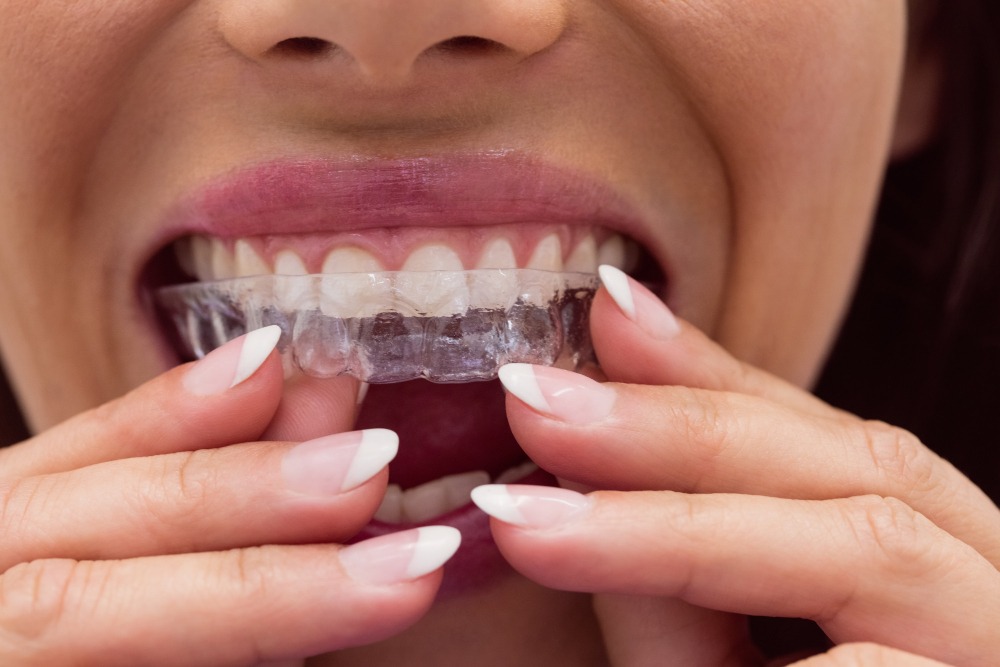
Clear aligners are removable plastic trays customized to fit over teeth. They gradually shift teeth into position using a sequence of aligners changed every few weeks.
Unlike braces, aligners do not use brackets or wires.
Popular reasons people choose clear aligners include:
- nearly invisible appearance
- removable convenience
- easier oral hygiene
- fewer food restrictions
Clear aligners are usually suitable for mild to moderate orthodontic concerns.
Transparent Braces vs Clear Aligners
Both treatments aim to improve smile alignment, but they differ in several ways.
Appearance
Transparent braces are less noticeable than metal braces, but brackets are still visible up close.
Clear aligners are almost invisible because they are made from transparent plastic trays.
Example:
A corporate professional attending meetings daily may prefer clear aligners for a more discreet appearance.
Comfort
Clear aligners generally feel smoother because they do not contain metal wires or brackets.
Transparent braces can sometimes cause irritation during adjustments, although modern orthodontics has made them much more comfortable than older braces.
Example:
Teenagers involved in sports often prefer aligners because they reduce the chances of cuts or irritation during physical activity.
Treatment Time
Treatment duration depends on the complexity of the case.
Transparent braces are often more effective for severe alignment and bite correction problems.
Clear aligners work well for mild to moderate cases but require strict discipline from patients.
In many cases:
- aligners need to be worn 20–22 hours daily
- inconsistent usage can delay treatment
Maintenance
Transparent braces require careful cleaning around brackets and wires.
Clear aligners are removable, making brushing and flossing easier.
However, aligners must also be cleaned regularly to avoid stains and odor buildup.
Cost
The cost of treatment depends on:
- complexity of alignment
- clinic location
- orthodontist expertise
- treatment duration
Transparent braces are often slightly more affordable than premium aligner systems, although it depends on the brand and case difficulty.
Instead of focusing only on price, patients should consider long-term comfort, effectiveness, and lifestyle compatibility.
Benefits of Transparent Brace
Transparent braces continue to be a popular choice because they combine effectiveness with improved aesthetics.
Key Benefits
- less visible than metal braces
- effective for complex corrections
- suitable for teenagers and adults
- fixed treatment with consistent results
- better smile confidence during treatment
For many patients, transparent braces offer the balance between cosmetic appeal and orthodontic control.
Who Is a Good Candidate?
Transparent braces may be ideal for:
- adults wanting discreet treatment
- patients with moderate to severe alignment issues
- people looking for fixed orthodontic treatment
- individuals who may struggle wearing removable aligners consistently
Clear aligners may be better for:
- mild to moderate corrections
- disciplined users
- professionals seeking nearly invisible treatment
- patients prioritizing flexibility
The right treatment depends on individual dental conditions and lifestyle needs.
Common Mistakes Patients Make
Many patients choose orthodontic treatments based only on appearance instead of suitability.
Common Mistakes
- choosing aligners without proper case evaluation
- not wearing aligners consistently
- ignoring oral hygiene during treatment
- selecting treatment based only on cost
- delaying orthodontic consultations
A proper orthodontic assessment is essential before starting any smile correction treatment.
Mini Checklist Before Choosing a Treatment
Before deciding between transparent braces and clear aligners, consider the following:
- Is your alignment issue mild or severe?
- Do you want removable or fixed treatment?
- Can you wear aligners consistently every day?
- Are aesthetics your top priority?
- Have you consulted an orthodontist?
This simple checklist can help narrow down the right option for your needs.
Final Thoughts
Transparent braces and clear aligners both offer effective ways to improve smile alignment without the appearance of traditional metal braces.
Transparent braces are often better for patients needing stronger correction and long-term control, while clear aligners provide convenience and nearly invisible treatment for suitable cases.
The best choice depends on your dental condition, lifestyle, and treatment goals. Consulting an experienced orthodontist can help you understand which solution fits your needs best.
If you are considering modern alternatives to traditional braces, exploring invisible orthodontic options can be the first step toward a healthier and more confident smile.
FAQs
Are transparent braces better than metal braces?
Transparent braces are more aesthetic and less noticeable, while metal braces may sometimes be preferred for highly complex orthodontic cases.
What is the difference between clear aligners and transparent braces?
Transparent braces use brackets and wires, while clear aligners use removable plastic trays to move teeth gradually.
Are invisible dental braces expensive?
Costs vary depending on treatment complexity, clinic expertise, and the type of orthodontic system used.
Can adults use transparent braces?
Yes, transparent braces are widely used by adults seeking discreet orthodontic treatment.
How long does treatment usually take?
Treatment duration varies from case to case, but many orthodontic treatments range between several months to a couple of years.