
Teeth Braces
about braces
Braces in Dubai | Metal & Ceramic Braces at Dr. Namshi’s Aesthetic Medicine & Dentistry
A straighter smile does more than improve your appearance it protects your oral health, corrects your bite, and builds lasting confidence.

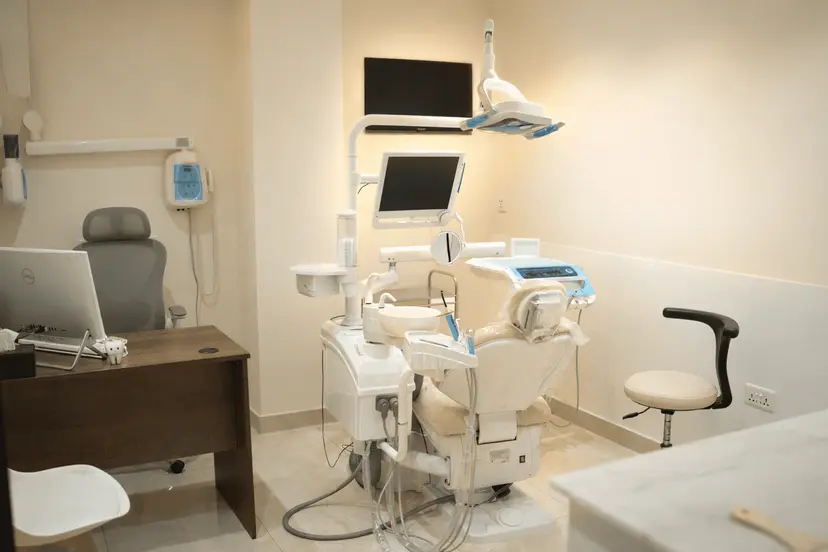
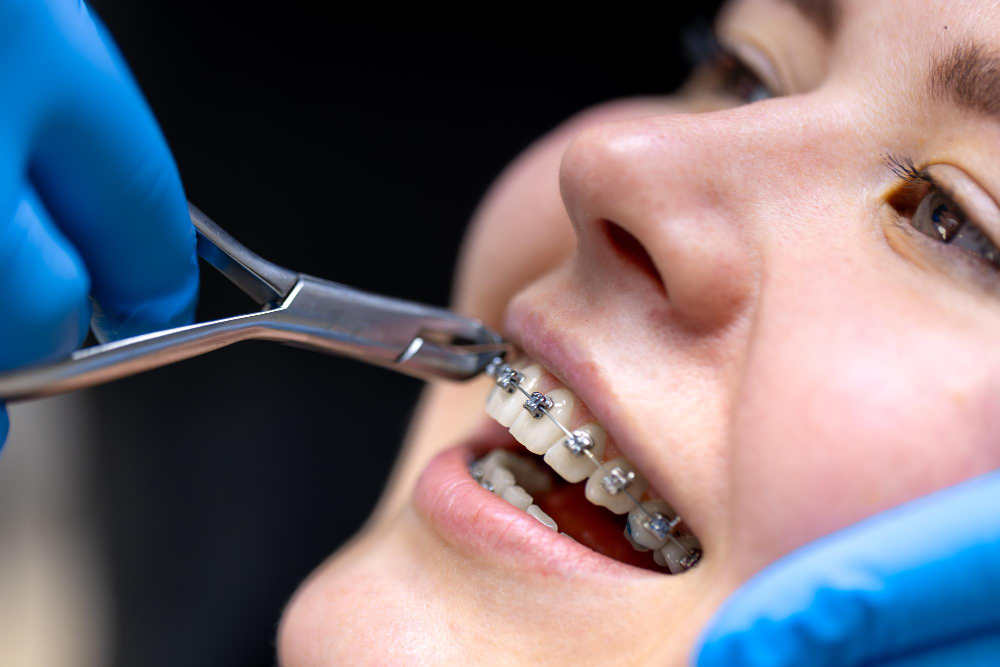
Orthodontic braces remain the most clinically reliable, versatile, and thoroughly researched method of correcting dental alignment and bite issues. At Dr. Namshi Clinic in Dubai, our orthodontic team offers a comprehensive range of braces options — from traditional metal braces to tooth-coloured ceramic brackets and modern clear brace variations — designed to address orthodontic concerns in patients of all ages with the precision and care that a life-changing treatment deserves.
Choosing to pursue orthodontic treatment is an investment in both your oral health and your confidence. Our Orthodontist team takes the time to fully assess your dental and skeletal anatomy, discuss all available treatment options including Invisalign as a clear aligner alternative, and design a personalised treatment plan that reflects your clinical needs, your aesthetic preferences, and your lifestyle.
Make Appointment
What Are Dental Braces and How Do They Work?
Dental braces are fixed orthodontic appliances that apply continuous, calibrated forces to the teeth over an extended period, guiding them gradually into their prescribed ideal positions. The system consists of three principal components working in concert: brackets, which are bonded directly to the front surfaces of the teeth using a dental adhesive; an archwire, which runs through a slot in each bracket and provides the primary force for tooth movement; and ligatures or self-ligating mechanisms, which connect the wire to the bracket and transmit the force into the tooth.
The biology of orthodontic tooth movement is a fascinating process. As the wire exerts pressure on a tooth, it stimulates the bone cells on the side toward which the tooth is moving — called osteoclasts — to resorb bone, while simultaneously stimulating bone-building cells called osteoblasts to deposit new bone on the other side. This process of controlled bone remodelling allows the tooth to migrate through the jaw in a slow, carefully managed arc, arriving at its target position as the bone reorganises around it. It is this biological process that necessitates the time orthodontic treatment takes — there are no shortcuts to safe, stable tooth movement through bone.
At each appointment, your orthodontist will adjust the tension in the system by changing the archwire to a thicker gauge or adjusting the bracket mechanics, progressively increasing the precision and refinement of tooth positioning as treatment progresses toward the final planned result.
Types of Braces Available at Dr. Namshi Clinic
Traditional Metal Braces
Metal braces are the original orthodontic appliance, and decades of clinical development have made them more efficient, more comfortable, and more effective than ever before. Modern metal brackets are significantly smaller and lower-profile than their predecessors, reducing the overall visibility and the accumulation of food debris that older, bulkier designs were prone to. The archwires used today are made from nickel-titanium and other advanced alloys that exert lighter, more continuous forces on the teeth, making treatment both more comfortable and more biologically efficient than the higher-force systems of previous generations.
Metal braces are the most cost-effective braces option and remain the preferred choice for complex orthodontic cases, including those involving significant bite correction, severe crowding, or the need for precise multi-directional tooth movement. They are highly reliable and place almost no responsibility for treatment compliance on the patient — unlike removable options, they are always working.
Ceramic Braces
Ceramic braces use brackets made from tooth-coloured or clear polycrystalline alumina ceramic material rather than metal, making them significantly less noticeable than standard metal appliances. The archwire can also be tooth-coloured in many cases, further reducing the visibility of the system. Ceramic braces offer the same clinical functionality and biomechanical capability as metal braces — they are equally suitable for complex cases — but with a considerably more aesthetic appearance that many adult patients and older teenagers find preferable in professional and social environments.
The primary considerations with ceramic braces are that the brackets are more brittle than metal (slightly more susceptible to chipping under extreme force), and some ceramic materials can be prone to surface staining if exposed to heavily pigmented foods and drinks such as coffee, curry, or red wine over extended periods. Your orthodontist will discuss how to manage these aspects as part of your care plan.
Clear and Self-Ligating Braces
Self-ligating braces are a refined evolution of the standard bracket-and-ligature system, using an integrated sliding mechanism rather than elastic ties to secure the archwire. This design reduces friction between the wire and the bracket, allowing lighter forces and potentially more efficient tooth movement in certain cases. It can also reduce the frequency of required appointments and the sensation of tightness experienced after adjustments. For patients who want a less visible fixed appliance, self-ligating brackets are available in both metal and clear ceramic options. Where a fully removable, nearly invisible option is preferred, our Invisalign programme offers clear aligner treatment as an alternative to any fixed brace system.
What Orthodontic Problems Can Braces Treat?
Orthodontic braces are among the most versatile clinical tools in dentistry, capable of addressing a wide spectrum of dental and skeletal alignment issues. At Dr. Namshi Clinic, our orthodontic team treats:
- Crowded teeth — where the dental arch has insufficient space to accommodate all the teeth in proper alignment, leading to overlapping, rotation, and displacement
- Spacing and gaps — including diastemas (gaps between specific teeth) and generalised spacing throughout the arch
- Deep overbite — where the upper front teeth excessively overlap the lower front teeth when biting, which can cause wear on the lower front teeth and gum damage
- Underbite — where the lower jaw protrudes forward, causing the lower front teeth to sit in front of the upper front teeth
- Crossbite — where one or more upper teeth bite inside the lower teeth rather than outside them, affecting both function and facial symmetry
- Open bite — where the upper and lower front or side teeth do not contact each other when biting, impacting chewing function and often affecting speech
- Impacted teeth — where teeth are blocked from erupting normally by adjacent teeth or bone and need to be guided into position orthodontically
- Post-surgical orthodontics — cases requiring precise dental alignment before or after orthognathic (jaw) surgery for patients with significant skeletal discrepancies
Not all cases are appropriate for braces specifically — some presentations are better addressed with Invisalign clear aligners, and some skeletal issues may require a combination of orthodontic and surgical treatment. Your orthodontist will assess your case in full and present you with all appropriate options and their respective advantages.
Braces for Children, Teenagers, and Adults: What to Expect at Each Stage
Children — Early Interceptive Orthodontics
The ideal age for a first orthodontic assessment is around seven years, when enough permanent teeth have erupted to allow the orthodontist to evaluate the developing bite and arch dimensions while growth is still active and malleable. Early treatment — sometimes called Phase 1 orthodontics or interceptive treatment — does not always mean starting braces at age seven. In many cases, monitoring is all that is required, with active treatment deferred until the full permanent dentition has erupted. However, certain issues — skeletal discrepancies, severe crossbites, habits such as thumb-sucking that are affecting jaw development — are genuinely better addressed early when bone is most responsive to growth modification.
Teenagers — The Classic Orthodontic Window
The teenage years, typically between 12 and 17, represent the most common period for comprehensive orthodontic treatment with braces. The full permanent dentition has typically erupted, the jaws are still growing and responsive, and the bone remodelling process that underlies tooth movement is at its most efficient. For teenagers who are self-conscious about the appearance of metal braces, ceramic brackets offer a more aesthetic alternative, and the option of Invisalign Teen provides a removable, near-invisible solution for appropriate cases.
Adults — It Is Never Too Late
Adult orthodontic treatment is not a niche or unusual undertaking — it is increasingly mainstream and clinically straightforward. Teeth can be moved through bone at any age, provided the bone and supporting tissues are healthy. The main differences in adult orthodontics compared to adolescent treatment are that bone remodelling occurs slightly more slowly in mature bone (potentially extending treatment timelines marginally), adult patients are more likely to have pre-existing restorations, crowns, or implants that require special consideration, and — for obvious reasons — aesthetic discretion often becomes a higher priority. Many adult patients at Dr. Namshi Clinic opt for ceramic braces or Invisalign to balance effective treatment with minimal impact on their professional appearance.
The Braces Treatment Journey at Dr. Namshi Clinic: From Consultation to Completion
Initial Consultation and Records
Your orthodontic journey begins with a comprehensive consultation with one of our experienced orthodontists. We take a full dental and medical history, carry out a detailed clinical examination of your teeth, bite, and jaw joints, and review diagnostic records including digital X-rays and intraoral scans. Any active dental concerns — such as untreated decay or gum inflammation — will be addressed before braces are placed. Our team works in close coordination with our general dental colleagues to ensure that Teeth Scaling And Polishing and any necessary restorative work is completed first, giving your orthodontic treatment the healthiest possible foundation.
Treatment Planning
Based on the full clinical picture, your orthodontist develops a detailed treatment plan specifying the type of braces recommended, the proposed sequence of tooth movements, the expected treatment duration, and any adjuncts such as elastics, springs, or expansion appliances that may be required. Where applicable, we also discuss how your orthodontic outcome might be enhanced cosmetically following treatment — for example, whether Teeth Whitening Dubai or Porcelain Veneers Dubai might be appropriate once your teeth are in ideal alignment.
Brace Placement
Brace placement is a straightforward, painless procedure that typically takes 60 to 90 minutes. The teeth are thoroughly cleaned and conditioned, and the brackets are bonded to the tooth surfaces using a light-cured dental adhesive. The initial archwire is then threaded through the brackets and secured. Immediately following placement, your teeth may feel unusual or slightly tender as you adapt to the appliances — this typically resolves within a few days. Your clinician will provide detailed instructions on oral hygiene, dietary modifications, and how to manage any initial discomfort.
Active Treatment and Adjustments
Throughout your treatment, you will attend regular appointment appointments at Dr. Namshi Clinic every four to eight weeks. At each visit, the archwire is adjusted or replaced with a heavier gauge, and the bracket system is refined to continue guiding the teeth toward their target positions. Most appointments take 20 to 40 minutes. Between appointments, you will adapt quickly to life with braces — eating, speaking, and maintaining your oral hygiene will all feel increasingly natural over the first few weeks.
Debonding and Retention
When your orthodontist determines that your teeth have reached their prescribed final positions, the brackets are removed — a straightforward procedure — and the teeth are thoroughly cleaned and polished. Custom-made retainers are then fitted to hold the teeth in their new positions as the surrounding bone and soft tissue fully stabilise. Retention is a permanent, lifelong commitment — teeth will shift back without retainer use. Your orthodontist will provide a clear retainer-wearing schedule and advise on the type of retainer most suited to your case.
Oral Hygiene with Braces: Keeping Your Teeth and Gums Healthy During Treatment
Maintaining excellent oral hygiene while wearing braces is one of the most important responsibilities of orthodontic treatment. The brackets and wires create additional surfaces around which plaque can accumulate, and if oral hygiene is neglected, the consequences can include white spot lesions (early enamel demineralisation), gum inflammation, and in more severe cases, tooth decay — all of which undermine the final aesthetic result of the orthodontic treatment itself.
At Dr. Namshi Clinic, we provide detailed oral hygiene instruction at the brace placement appointment, including the correct technique for brushing around brackets, the use of interdental brushes to clean between the wire and the gum, and the role of fluoride mouthwash in protecting the enamel during treatment. We also recommend regular visits to our general dental team for professional Teeth Scaling And Polishing throughout your orthodontic treatment to remove any calculus accumulation that home care cannot manage and to monitor gum health at every stage.
Life with Braces: Practical Advice for Patients in Dubai
For most patients, the adjustment to life with braces is faster and easier than anticipated. Within the first two to three weeks, the initial awkwardness of the brackets and the sensation of pressure following adjustments becomes entirely manageable background experience rather than a daily focus.
- Dietary considerations: avoid hard foods such as raw carrots, whole apples, hard crusts, nuts, and sweets that require excessive biting force, as these can dislodge brackets or bend wires. Sticky foods such as toffee, chewing gum, and chewy sweets should be avoided throughout treatment as they can pull brackets off the teeth.
- Oral hygiene: brush after every meal using a soft-bristled toothbrush and fluoride toothpaste, and use interdental brushes to clean around brackets and beneath the wire. A fluoride mouthwash used nightly adds an additional layer of enamel protection.
- Managing soreness: mild discomfort for one to three days after each adjustment appointment is completely normal and manageable with over-the-counter paracetamol or ibuprofen if needed. Orthodontic wax provided at the clinic can be applied to any bracket or wire end that is irritating the cheek or lip.
- Sports: if you play contact sports, a custom-fitted mouthguard that accommodates your braces is essential to protect both your teeth and the orthodontic appliances from impact.
- Dental check-ups: continue attending your regular dental check-up appointments throughout your orthodontic treatment. Our Teeth Scaling And Polishing service is available at Dr. Namshi Clinic to keep your teeth and gums professionally maintained during the treatment period.
Why Choose Dr. Namshi Clinic for Braces in Dubai?
- Experienced, specialist orthodontic team delivering both braces and Invisalign under one roof
- Comprehensive diagnostic process including digital X-rays and intraoral scanning for precise treatment planning
- Full range of brace systems to suit every patient — metal, ceramic, and self-ligating options available
- Seamless coordination between orthodontic and general dental care — including Teeth Scaling And Polishing, restorative dentistry, and cosmetic services
- Patient-centred, unhurried consultation process with clear communication of all treatment options and their respective trade-offs
- Complete smile transformation capability — combining braces with Teeth Whitening Dubai, Porcelain Veneers Dubai, or Digital Smile Design for patients seeking a comprehensive aesthetic result
- Transparent, comprehensive pricing with all adjustment appointments included in the treatment fee
- Flexible appointment scheduling suited to school, university, and professional timetables
If you are ready to take the first step toward a straighter smile and healthier bite, book an orthodontic consultation at Dr. Namshi Clinic in Dubai. Our Orthodontist team will assess your teeth in detail, walk you through all available options, and help you choose the path to your ideal smile. Whether you choose braces or Invisalign, we will be with you every step of the way — from the first appointment through to the final result and beyond. Complete your smile journey with our Teeth Whitening Dubai and Digital Smile Design services once your orthodontic treatment is complete.
Frequently Asked Questions
The duration of brace treatment varies considerably depending on the nature, complexity, and scope of the case being treated. Simple alignment corrections in younger patients may be complete in twelve to eighteen months. Moderate cases involving bite correction and multi-arch treatment typically take eighteen to twenty-four months. Complex cases or those requiring multiple phases of treatment can extend beyond two years. Your orthodontist will provide a projected timeline at the treatment planning stage based on your specific diagnostic records.
Brace placement itself is painless. After the brackets are bonded and the initial archwire is placed, it is normal to experience mild to moderate soreness and sensitivity for two to four days as the teeth begin to respond to the applied forces. This typically feels like generalised achiness rather than sharp pain and is well managed with over-the-counter pain relief. After each adjustment appointment, a similar period of mild sensitivity is normal. Most patients find that by the third or fourth adjustment, they have become so accustomed to the sensation that they barely notice it.
Absolutely. Adult orthodontic treatment is one of the fastest-growing areas of dentistry, and Dr. Namshi Clinic treats a significant number of adult patients seeking teeth braces in Dubai. There is no upper age limit for orthodontic treatment — the key requirement is that the teeth are healthy, the gums are in good condition, and there is adequate bone support for tooth movement. Adults who prefer a less visible option may wish to consider ceramic braces or our Invisalign programme as alternatives to standard metal braces.
Oral hygiene with braces requires more diligence than standard care but becomes habitual very quickly. Brush after every meal with a soft-bristled toothbrush and fluoride toothpaste, angling the brush to clean both above and below the bracket on each tooth. Use interdental brushes (sometimes called proxy brushes or bottle brushes) to clean the space between the archwire and the gum. Floss threaders or orthodontic floss can be used to floss between the teeth beneath the wire. A fluoride mouthwash used nightly is highly recommended throughout treatment. Regular professional Teeth Scaling And Polishing appointments at our clinic ensure professional maintenance of your gum health and calculus control throughout the treatment period.
The cost of braces at Dr. Namshi Clinic depends on the type of braces chosen, the complexity of the case, and the projected treatment duration. Metal braces are generally the most affordable option; ceramic braces carry a moderate premium for their aesthetic benefit. All adjustment appointments are included within the treatment fee. Please contact our clinic or book a consultation with our Orthodontist team to receive a detailed, no-obligation treatment plan and cost breakdown tailored to your specific case.