
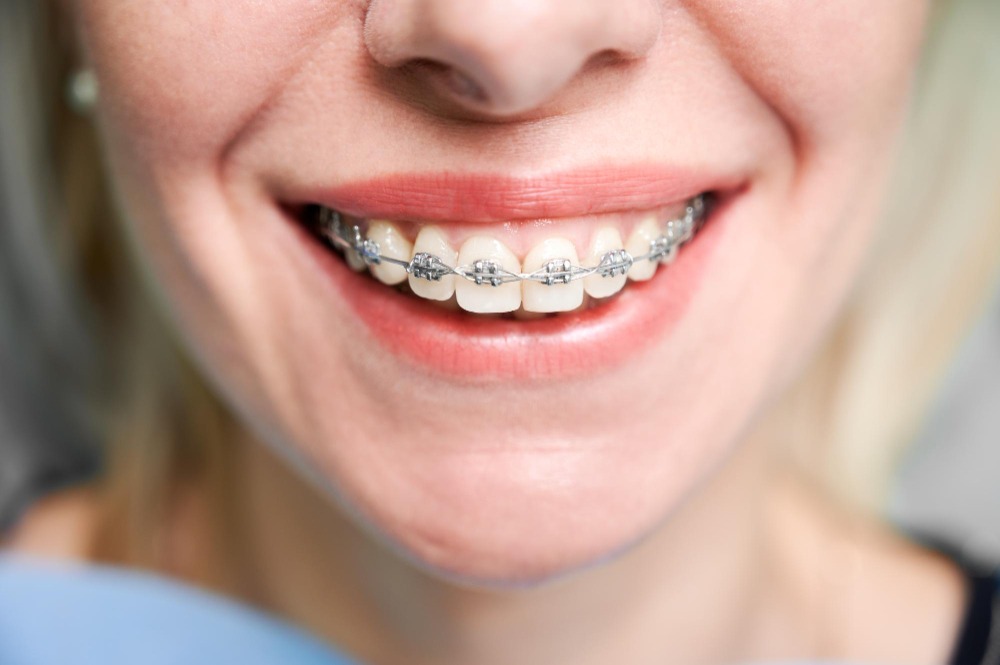
Many people want straighter teeth but hesitate to choose traditional metal braces because of their appearance. Ceramic braces have become a popular solution for patients looking for a more discreet orthodontic treatment without compromising effectiveness.
Designed to blend naturally with teeth, ceramic braces offer a less noticeable alternative while still correcting alignment and bite issues effectively. Whether you are a student, working professional, or adult considering orthodontic treatment, ceramic braces can provide a balance between aesthetics and performance.
If you are exploring alternatives to traditional <a href=”/braces”>teeth braces</a>, ceramic braces are one of the most commonly recommended options today.
What Are Ceramic Braces?
Ceramic braces are orthodontic braces that use tooth-colored or clear brackets instead of metal brackets. They function similarly to traditional braces by gradually moving teeth into proper alignment using brackets and wires.
The main difference is appearance.
Because ceramic brackets closely match the natural color of teeth, they are less visible compared to standard metal braces.
Ceramic braces are commonly used to treat:
- crooked teeth
- crowded teeth
- bite issues
- spacing problems
- jaw alignment concerns
They are especially popular among adults and teenagers who want a more subtle orthodontic treatment.
How Ceramic Braces Work
Ceramic braces apply gentle and continuous pressure on teeth over time. The orthodontist adjusts the braces periodically to guide teeth into their ideal position.
The treatment process generally includes:
- Consultation and dental assessment
- Digital scans or impressions
- Braces placement
- Regular adjustment appointments
- Retention phase after treatment
Like traditional braces, ceramic braces are fixed appliances, meaning they stay attached to the teeth throughout the treatment period.
This fixed structure allows consistent tooth movement and predictable results.
Benefits of Ceramic Braces
Ceramic braces have become increasingly popular because they combine effective orthodontic treatment with improved aesthetics.
Less Noticeable Appearance
One of the biggest advantages is their discreet appearance. The brackets blend with natural teeth, making them less visible during conversations and photos.
Example:
A working professional attending daily client meetings may feel more confident with ceramic braces compared to metal braces.
Effective for Moderate to Complex Cases
Ceramic braces can treat many orthodontic problems effectively, including cases that may not be suitable for clear aligners.
They provide greater control over tooth movement in more complex situations.
Suitable for Adults
Many adults delay orthodontic treatment because they worry about visible braces. Ceramic braces offer a more professional and subtle appearance.
Example:
Adults preparing for weddings, presentations, or public-facing roles often choose ceramic braces for cosmetic reasons.
Improved Confidence During Treatment
Since ceramic braces are less visible, many patients feel more comfortable smiling and interacting socially throughout treatment.
Ceramic Braces vs Metal Braces
Both ceramic and metal braces are effective orthodontic treatments, but they differ in several areas.
| Feature | Ceramic Braces | Metal Braces |
| Appearance | Less visible | More noticeable |
| Material | Tooth-colored ceramic | Stainless steel |
| Aesthetics | Higher | Lower |
| Durability | Slightly more delicate | Very durable |
| Stain Risk | Possible with poor care | Minimal |
Metal braces may sometimes be preferred for highly complex orthodontic corrections, while ceramic braces are often chosen for cosmetic reasons.
The right option depends on individual treatment needs and lifestyle preferences.
Who Should Choose Ceramic Braces?
Ceramic braces may be ideal for:
- adults seeking discreet treatment
- teenagers concerned about appearance
- patients needing fixed orthodontic treatment
- individuals with moderate to severe alignment issues
They are especially beneficial for people who want stronger correction than aligners while maintaining a more aesthetic appearance.
Treatment Process
Understanding the treatment process can help patients feel more confident before starting orthodontic care.
Initial Consultation
The orthodontist evaluates:
- teeth alignment
- bite condition
- jaw structure
- oral health
Digital imaging and scans may be used to create a treatment plan.
Braces Placement
Ceramic brackets are attached to the teeth, and wires are secured to begin tooth movement.
The procedure is usually straightforward and completed in a single appointment.
Regular Adjustments
Patients visit the orthodontist periodically for adjustments to maintain treatment progress.
These appointments help ensure teeth continue moving correctly.
Retainers After Treatment
After braces are removed, retainers help maintain the final alignment and prevent teeth from shifting back.
Caring for Ceramic Braces
Proper care is important to maintain appearance and oral hygiene during treatment.
Tips for Maintaining Ceramic Braces
- brush after meals
- floss carefully around brackets
- avoid hard or sticky foods
- limit staining beverages when possible
- attend regular orthodontic appointments
Good maintenance can help ceramic braces remain clean and aesthetically pleasing throughout treatment.
Common Mistakes Patients Make
Ignoring Oral Hygiene
Poor brushing can lead to plaque buildup and staining around brackets.
Eating Hard Foods
Hard foods may damage brackets or wires and delay treatment progress.
Missing Orthodontic Appointments
Regular adjustments are important for maintaining proper tooth movement.
Choosing Treatment Based Only on Appearance
Aesthetic preference matters, but treatment effectiveness should always come first.
Mini Checklist Before Starting Treatment
Before choosing ceramic braces, ask yourself:
- Do you want less noticeable braces?
- Are you comfortable with fixed orthodontic treatment?
- Can you maintain good oral hygiene consistently?
- Have you consulted an orthodontist about your case?
- Are aesthetics important during treatment?
This checklist can help determine whether ceramic braces fit your goals and lifestyle.
Final Thoughts
Ceramic braces provide an effective and aesthetically appealing solution for people looking to improve their smile without the appearance of traditional metal braces.
They combine the strength of fixed orthodontic treatment with a more discreet design, making them a preferred option for many adults and teenagers.
While every orthodontic case is different, ceramic braces can be an excellent choice for patients seeking both functionality and confidence during treatment.
Consulting an experienced orthodontist is the best way to understand whether ceramic braces are suitable for your dental needs and smile goals.
FAQs
Are ceramic braces better than metal braces?
Ceramic braces are more discreet in appearance, while metal braces may sometimes offer greater durability for complex cases.
Do ceramic braces stain easily?
The brackets themselves are generally stain-resistant, but elastic ties may discolor without proper care.
Are ceramic braces painful?
Patients may experience mild discomfort after adjustments, which is common with most orthodontic treatments.
How much do ceramic braces cost in Dubai?
Costs vary depending on treatment complexity, clinic expertise, and treatment duration.
How long does ceramic braces treatment take?
Treatment time depends on the alignment condition and individual orthodontic needs.