
A missing tooth is never just a cosmetic gap. Within weeks of extraction, the jawbone at that site begins to resorb. Adjacent teeth tilt toward the space. The opposing tooth over-erupts. Chewing efficiency declines. Over months and years, these structural changes compound — affecting facial appearance, bite function, and oral health in ways that become progressively more difficult and costly to reverse.
Dental implants address all of these consequences at their source. They are the only tooth replacement option that preserves jawbone, functions like a natural tooth, and is designed to last a lifetime. At Dr. Namshi’s Aesthetic Medicine & Dentistry in Al Qusais, we place implants using CBCT 3D imaging and specialist planning software — a level of precision that significantly improves surgical accuracy and the quality of the final restoration.
What Is a Dental Implant?
A dental implant is a titanium post — typically 3.5–5mm in diameter and 8–16mm in length — surgically positioned into the jawbone to serve as an artificial tooth root. Titanium is used because of its exceptional biocompatibility: over a healing period of 8–16 weeks, bone cells surrounding the implant naturally bond to it through a process called osseointegration, creating a stable, load-bearing anchor within the jaw.
Once osseointegration is confirmed, a custom ceramic crown is attached via an abutment component, completing the restoration. The result is indistinguishable from a natural tooth in appearance, and virtually identical in function. A complete implant system consists of:
- The implant post — the titanium screw integrated into the jawbone
- The abutment — a connector attaching the crown to the implant
- The ceramic crown — colour-matched to surrounding teeth, designed to last 15–20 years before routine replacement
The Implant Treatment Journey at Dr. Namshi’s Aesthetic Medicine & Dentistry
Step 1: CBCT 3D Imaging and Virtual Planning
Every implant case begins with CBCT imaging — cone beam computed tomography that shows bone volume, density, and the positions of critical anatomical structures (nerve canals, sinus floors) in three dimensions. This data feeds into specialist implant planning software, allowing our clinician to place the implant virtually before any surgical procedure begins.
The planned position, angulation, and depth of every implant is determined digitally, maximising precision and safety and ensuring the final crown will be optimally positioned. This pre-surgical digital planning is something not every clinic in Dubai invests in — it meaningfully reduces the margin for error during placement.
Step 2: Bone Grafting (Where Required)
Where bone volume is insufficient, a grafting procedure is performed first, using synthetic bone substitutes, donated bone material, or a combination depending on the volume required. Most grafting procedures are minor and heal over 4–6 months before implant placement proceeds. Your clinician will identify any grafting requirements during your assessment and include them transparently in your treatment plan and cost estimate.
Step 3: Surgical Placement
Implant placement is performed under local anaesthesia and takes 30–60 minutes per implant site. Patients consistently report the experience is more comfortable than expected — frequently less uncomfortable than a tooth extraction. The implant is then left to undergo osseointegration, with a review at 6–8 weeks to confirm progress.
Step 4: Crown Attachment
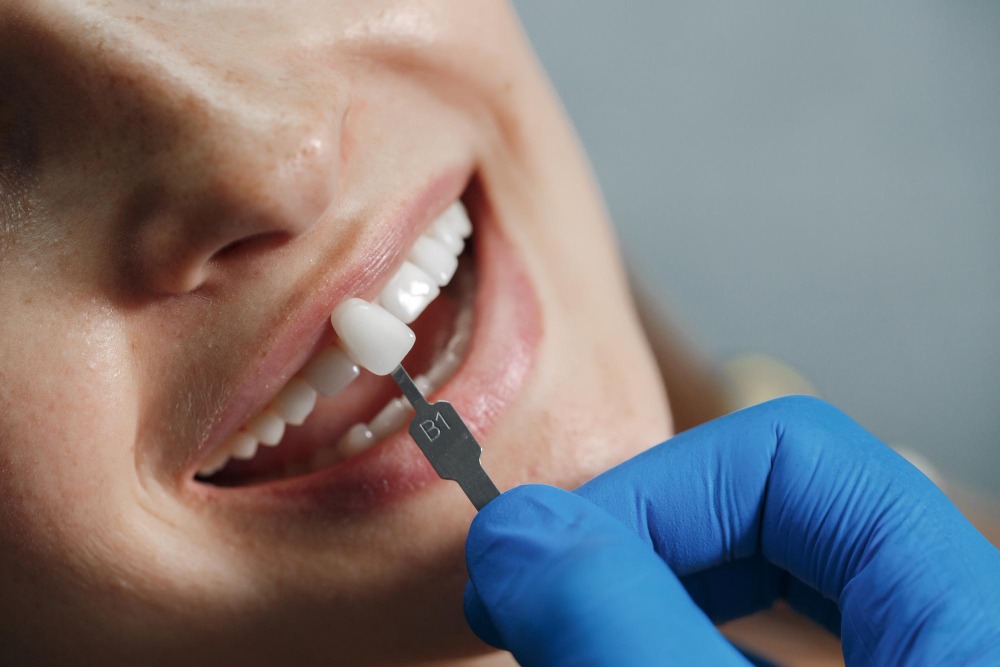
Once osseointegration is confirmed — typically 8–16 weeks after placement — a digital scan or impression is taken and sent to our laboratory. The final crown is shade-matched, shaped, and fitted in a single appointment. Bite checks ensure occlusal balance across the restoration.
Implant Options at Dr. Namshi’s Aesthetic Medicine & Dentistry
- Single tooth implant — replaces one missing tooth independently, without involving adjacent teeth
- Multiple implants — individual restorations for two or more non-adjacent missing teeth
- Implant-retained bridge — two implants supporting a multi-unit bridge over adjacent missing teeth
- All-on-4 / All-on-6 — full-arch reconstruction on four or six strategic implants for extensive or complete tooth loss
We use implants from globally respected manufacturers with long-term clinical data supporting their performance. All costs are presented fully at your consultation — there are no additions that appear later.
How Long Do Dental Implants Last?
The implant body is designed to be permanent. With consistent oral hygiene and regular professional maintenance, implant survival rates exceed 95% at ten years and remain above 90% at twenty years in published clinical studies. The ceramic crown may require replacement after 15–20 years due to normal wear — a straightforward procedure that does not affect the implant itself.
No tooth replacement option offers comparable long-term value. When viewed over a twenty-year horizon, implants are consistently the most cost-effective solution available.
Who Is a Good Candidate for Implants?
Most adults with missing teeth are potential candidates. Successful implant treatment requires:
- Adequate bone volume at the implant site (bone grafting can address deficiencies)
- Healthy, disease-free gum tissue — active periodontal disease must be fully treated first
- Non-smoking status, or willingness to pause smoking during the healing period
- Stable systemic health — well-controlled conditions like diabetes do not preclude treatment
- Completed jaw growth — implants are not placed in patients under 18
Suitability is confirmed through your CBCT scan and consultation at Dr. Namshi’s Aesthetic Medicine & Dentistry. Even patients who’ve been told elsewhere that they don’t have enough bone may have options once a proper three-dimensional assessment is done.
Recovery and Aftercare
Mild swelling, tenderness, and minor discomfort are common for the first few days after placement. Most patients return to normal daily activities quickly. For successful healing:
- Follow post-operative instructions carefully
- Maintain excellent oral hygiene
- Avoid smoking during the healing period
- Eat soft foods as recommended in the first weeks
- Attend your 6–8 week review appointment
One patient at Dr. Namshi’s Aesthetic Medicine & Dentistry described it this way: ‘I was anxious about the surgery but it was genuinely less uncomfortable than having a tooth pulled. By the time my crown was fitted, it felt like I’d never lost the tooth.’
Conclusion
Dental implants are the most advanced and functionally complete solution for missing teeth. By integrating with the jawbone through osseointegration, they preserve bone, restore full chewing function, and provide a restoration that is indistinguishable from natural teeth.
At Dr. Namshi’s Aesthetic Medicine & Dentistry, Al Qusais, every implant case begins with CBCT 3D imaging and ends with a restoration planned to last a lifetime. Book your consultation to receive a full assessment, virtual implant placement, and transparent treatment plan.
FAQ
How long do dental implants last?
The implant body is designed to be permanent — with over 95% survival at 10 years and above 90% at 20 years in published studies. The ceramic crown typically lasts 15–20 years before routine replacement.
Is dental implant surgery painful?
Most patients report it is more comfortable than a tooth extraction. The procedure is performed under local anaesthesia, and post-operative discomfort is manageable with standard pain relief.
What is CBCT imaging and why does Dr. Namshi’s Aesthetic Medicine & Dentistry use it?
CBCT (cone beam computed tomography) is a 3D scan that shows bone volume, density, and anatomical structures in three dimensions. It allows virtual implant placement before surgery — improving precision, safety, and the quality of the final restoration.
Can I have implants if I have bone loss?
Often yes. Bone grafting can address deficiencies. Your CBCT scan at the initial consultation gives a precise picture of available bone and identifies whether grafting is required.
What implant options are available at Dr. Namshi’s Aesthetic Medicine & Dentistry?
Single tooth implants, multiple implants, implant-retained bridges, and All-on-4 / All-on-6 full-arch reconstruction. Your clinician will recommend the appropriate option based on how many teeth are missing and your bone volume.