
root canal treatment
Root Canal Treatment in Dubai | Painless RCT at Dr. Namshi’s Aesthetic Medicine & Dentistry
Root canal treatment has an undeserved reputation.

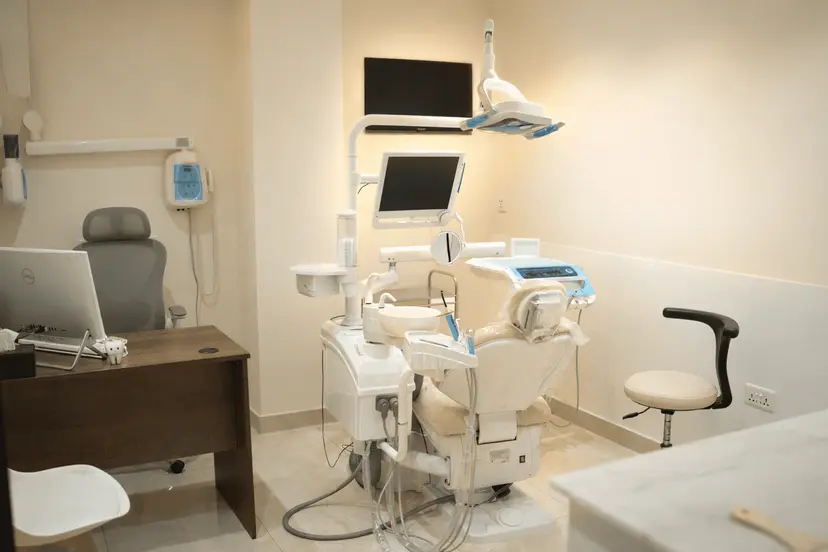
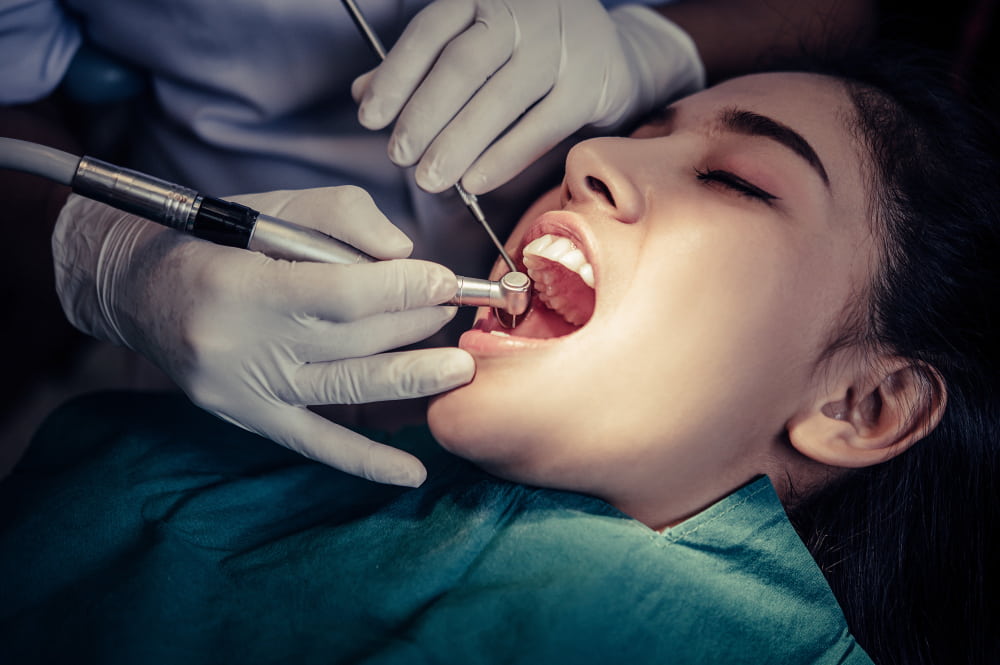
The anxiety many patients feel about this procedure is a legacy of an earlier era of dentistry one that predates modern rotary instrumentation, effective local anaesthetic protocols, and the patient-centred approach that defines clinical practice at Dr. Namshi’s Aesthetic Medicine & Dentistry. The reality of root canal treatment today is that it is no more uncomfortable than having a tooth filled and the outcome, preserving a natural tooth that might otherwise be lost, is genuinely worth it.
Make Appointment
What Is the Dental Pulp and Why Does It Become Infected?
The pulp is the soft inner chamber of the tooth a collection of nerves, blood vessels, and connective tissue running from the crown through the root canals to the surrounding bone. Once a tooth is fully developed, it functions perfectly well without the pulp. The pulp becomes infected when bacteria gain access to it, most commonly through deep decay breaching the enamel and dentine, a crack or fracture, or a failing restoration. Once infection is established, it can spread beyond the root apex into the surrounding bone forming a periapical abscess. Without treatment, the infection continues to expand and the tooth is ultimately lost.
Symptoms That May Indicate You Need Root Canal Treatment
- Spontaneous, persistent, or throbbing toothache particularly severe pain waking you at night
- Prolonged sensitivity to hot or cold that lingers for 30 seconds or more after the stimulus is removed
- Pain when biting or applying pressure to a specific tooth
- Swelling in the gum tissue near the affected tooth
- A recurring pimple or sinus tract (draining channel) on the gum
- Visible darkening of a tooth, particularly following a history of trauma
Some teeth requiring root canal treatment present with no pain at all the infection identified only on a routine radiograph. Absence of symptoms does not mean the problem is minor; it reflects only the immune system’s current tolerance. Early treatment is always simpler, faster, and less costly than delayed treatment.
The Root Canal Procedure at Dr. Namshi’s Aesthetic Medicine & Dentistry
Diagnosis and Assessment
Treatment begins with a comprehensive diagnostic evaluation. Digital periapical X-rays reveal the extent of infection, root canal anatomy, and periapical bone condition. Electric pulp testing and thermal stimulation confirm pulp vitality status. In complex cases multi-rooted molars, unusual anatomy, or cases where 2D imaging is insufficient CBCT 3D imaging maps the entire canal system with a level of precision that radically improves treatment accuracy and outcome.
Anaesthesia and Rubber Dam Isolation
Effective local anaesthesia is the cornerstone of a comfortable root canal experience. At Dr. Namshi’s Aesthetic Medicine & Dentistry, we take the time to achieve complete, verified numbness before any instrumentation begins. Where standard anaesthesia is insufficient as can occur in teeth with acute infection where tissue acidity reduces anaesthetic efficacy supplementary techniques including intraligamentary injection are used. A rubber dam isolates the tooth throughout treatment, maintaining a sterile operating field and protecting the airway.
Access and Pulp Removal
An access cavity is prepared through the crown to reach the pulp chamber. The number of canals varies by tooth: incisors and canines typically have one; premolars one or two; molars three or four. Each canal is individually identified and negotiated.
Canal Shaping with Rotary Instruments
At Dr. Namshi’s Aesthetic Medicine & Dentistry, root canals are shaped using nickel-titanium rotary files flexible, precisely tapered instruments driven by a controlled electric motor. This system is significantly faster, more consistent, and gentler than manual filing. Continuous irrigation with sodium hypochlorite simultaneously dissolves residual pulp tissue and disinfects the canal walls throughout the shaping process. The combination of rotary shaping and thorough irrigation is what distinguishes modern root canal treatment from the procedure patients may have experienced or heard about in the past.
Obturation and Sealing
Once the canals are fully shaped, disinfected, and dried, they are filled with gutta-percha a biocompatible rubber-like material and sealed with root canal cement. A three-dimensionally dense, void-free obturation is critical to long-term success: any gap in the seal provides a reservoir for residual bacteria and reinfection.
Crown Placement
A tooth that has undergone root canal treatment is more susceptible to fracture over time the loss of vital pulp reduces the tooth’s resilience. A full ceramic or zirconia crown is strongly recommended in most cases, placed 2–4 weeks after root canal completion, to protect the tooth from fracture and restore full chewing function for the long term.
How Long Does Treatment Take?
Single-canal anterior teeth are typically completed in one appointment of 60–90 minutes. Multi-canal molars may require two appointments: the first for canal shaping and disinfection, and the second after an interim dressing period for obturation and sealing. Your clinician will give you a realistic timeline based on your specific anatomy and presentation.
Root Canal Treatment Cost in Dubai
Pricing reflects the tooth being treated (number of canals), the diagnostic imaging required, and the clinical time involved. Full cost transparency is provided before any work begins. Root canal treatment followed by a crown is a meaningful investment but compared to tooth extraction followed by an implant or bridge, it is almost always the more cost-effective, less invasive, and clinically preferable option.
Frequently Asked Questions
Yes, some infected teeth show no pain and are detected only on routine X-rays early treatment is simpler.